

Holy India

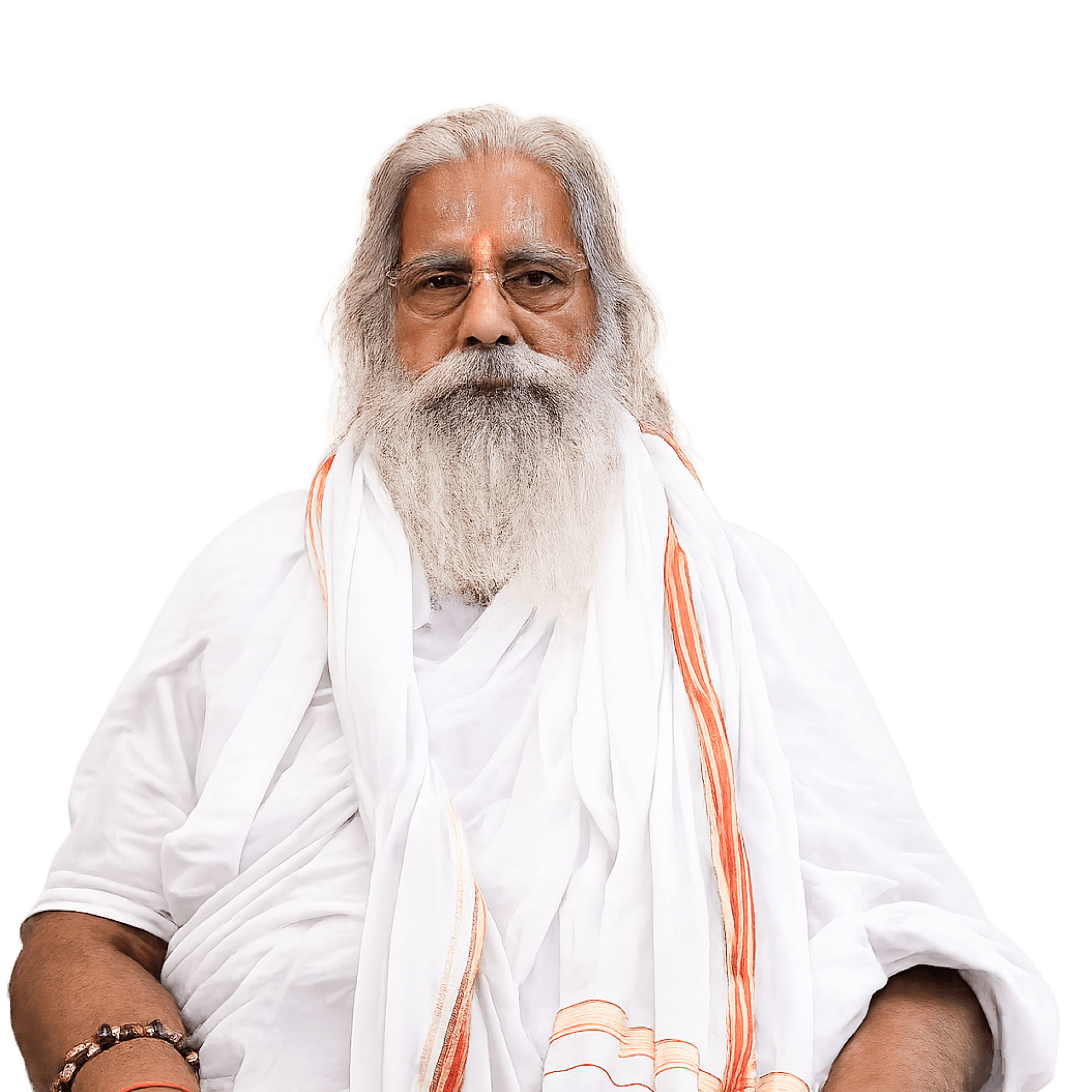
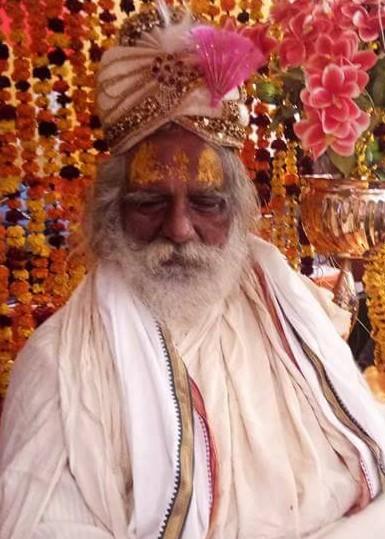
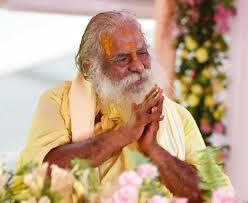
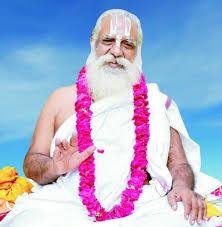
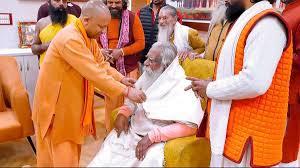
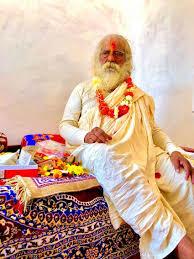
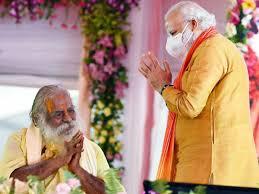
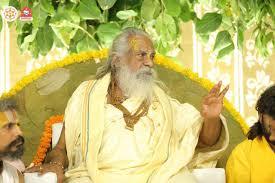
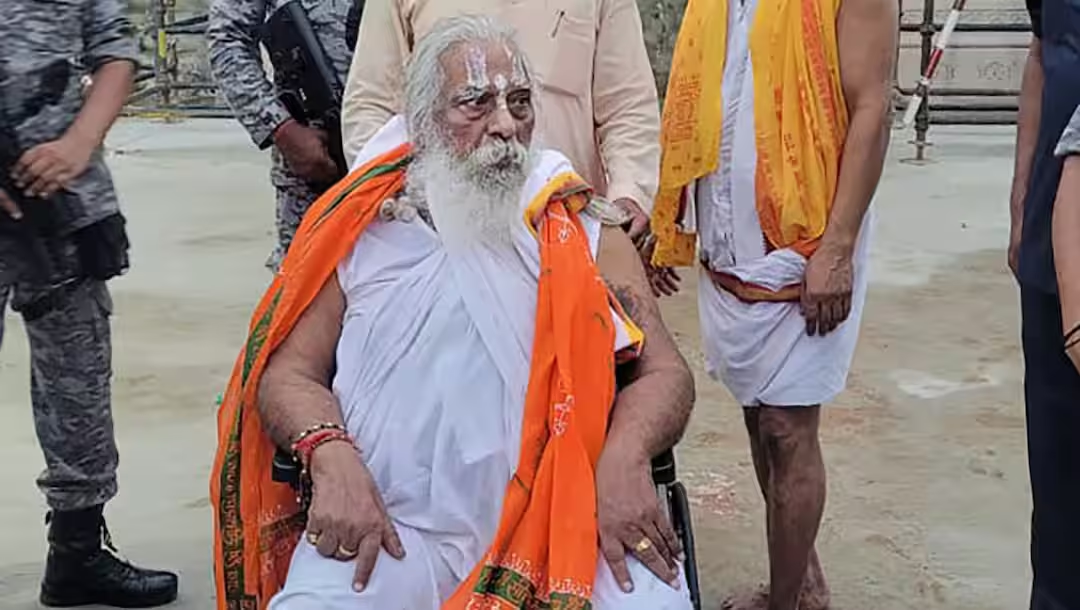
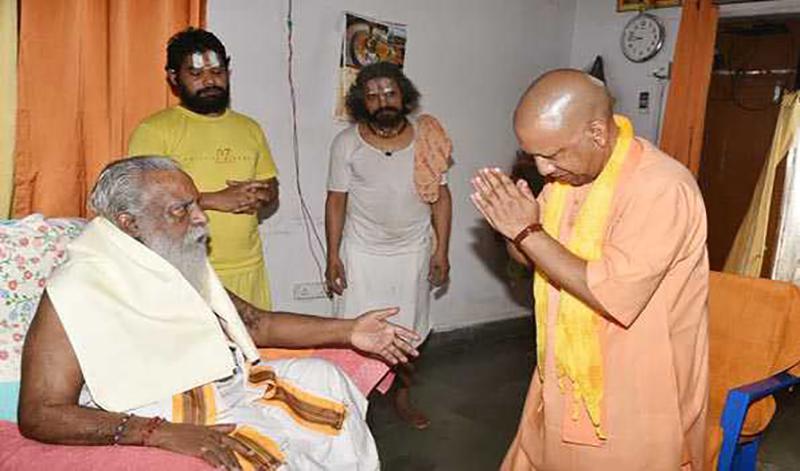
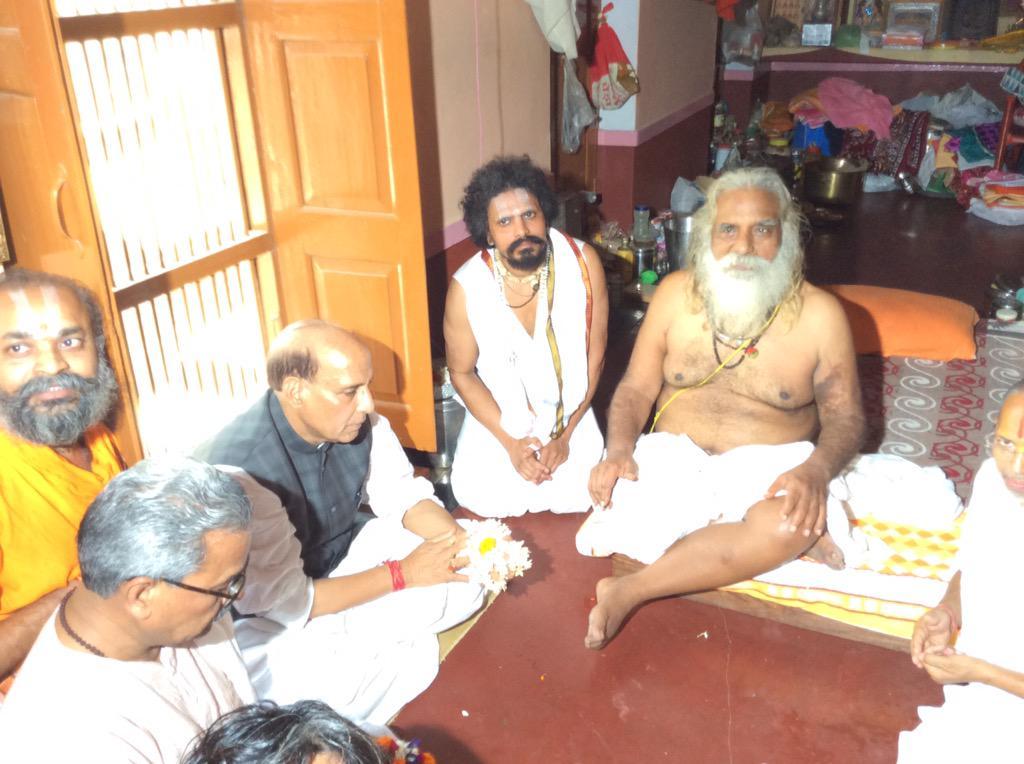
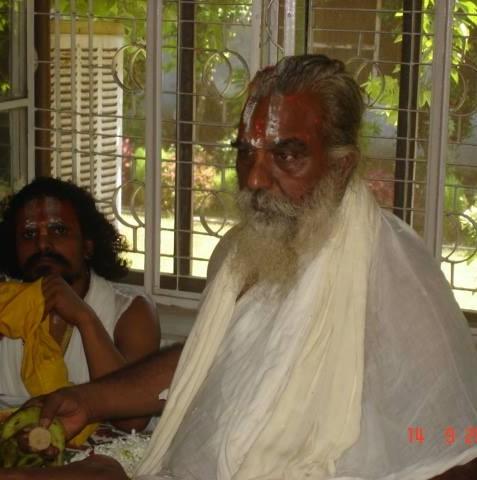
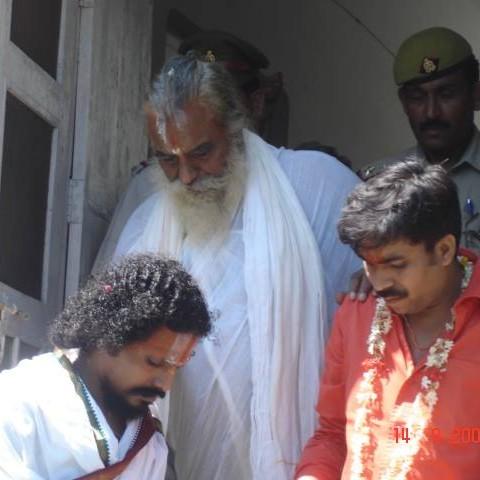
Nritya Gopal Das

Date of Birth: June 11, 1938

Place Of Birth: Kerhala (Kahola), Mathura, Uttar Pradesh, India

Nritya Gopal Das

Essence & Teachings

Mahantji’s philosophy is rooted in the Ramanandi tradition of Ram Bhakti.

Ram Bhakti & Seva

Ram Bhakti & Seva

Revolves around serving Lord Ram & upholding him as Maryada Purushottama (the supreme ideal man).

Vishishtadvaita

Vishishtadvaita

Follows qualified non-dualism as taught in the Ramanandi Sampradaya. Focuses on personal devotion over ritualism.

Vaishnava Asceticism

Vaishnava Asceticism

Practices structured devotion with ethical propriety. Follows Maryada Bhakti with discipline and detachment.

A Life Devoted to Ram

Mahantji’s journey from modern commerce studies to complete renunciation.

Gurukul Diksha and TrainingAscension to MahantRam Janmabhoomi Movement

Gurukul Diksha and Training

A young soul from Brij Bhumi drawn to Ayodhya by devotion.

1938

On 11 June 1938, Mahantji was born in Kerhala village, Mathura district, into a Brahmin family.

1953

Passed class tenth exams. Enrolled at Lala Ram College, Mathura, to study commerce.

1953

Left formal education mid-course. Departed for Ayodhya on Gandhi Jayanti, seeking a spiritual path over worldly pursuits.

1953

Became a disciple of Mahant Ram Manohar Das ji at Shri Mani Ram Das Chavani. Received diksha sanskar with mantra initiation.

1965

On Guru's advice, he enrolled in Sampurnanand Sanskrit University, Varanasi. Earned a B.A. (Shastri) degree in Sanskrit and traditional Hindu texts.

1965

Installed as Mahant in a grand ceremony at age 27. Succeeded as the sixth head of Shri Mani Ram Das Chavani (Chhoti Chavani), Ayodhya.

1965

Established himself as a spiritual authority over a 25-acre temple complex. Met devotees daily, taught Sanskrit, and oversaw 500 resident sadhus.

1980

Credited with constructing multiple temples in Ayodhya: Ramayan Bhavan, Shri Ranganath Temple, and Shri Char Dham Temple.

1984

Appointed Vice-Chairman of Ram Janmabhoomi Mukti Yagya Samiti on 18 June. Mahant Avaidyanath served as chairman. His role from the very beginning was central.

2001

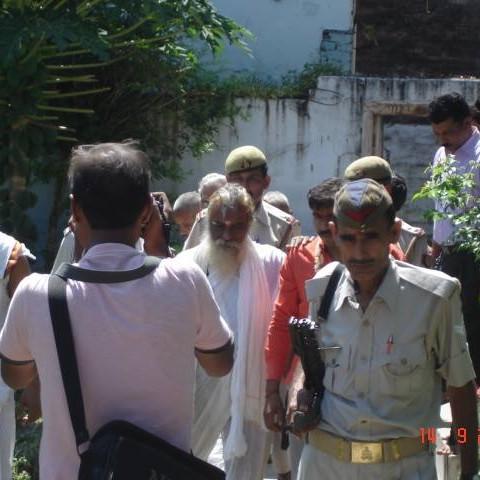
Survived a bomb attack while returning from the Sarayu river with disciples after morning bath. Sustained minor injuries.

2003

Became President of Ram Janmabhoomi Nyas, succeeding Mahant Ramchandra Das Paramhans who passed away in August.

2020

Elected President of Shri Ram Janmabhoomi Teerth Kshetra Trust on 19 February in New Delhi, present at bhoomi puja on AUg 5

2024

Oversaw the inauguration of Ram Mandir on 22 January. Attended Pran Pratishtha ceremony on 5 June 2024.

Service to Society

Through service and leadership, Maharajji uplifted society and preserved tradition.

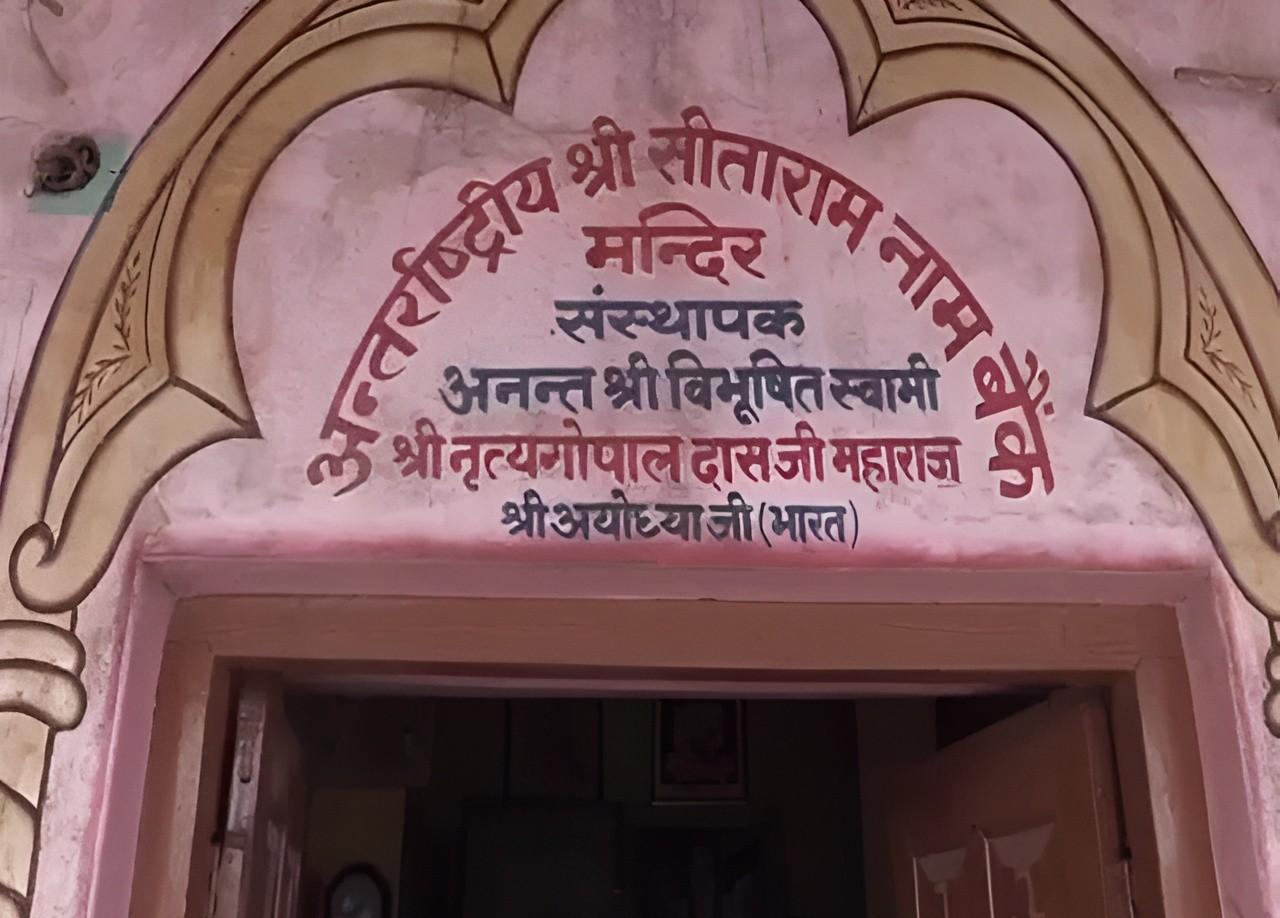
Establishment of International Shri Sita Ram Naam Bank
SpiritualSpiritual

Establishment of International Shri Sita Ram Naam Bank

Founded a project allowing over 35,000 devotees to deposit Ram Naam written on permissible objects. Promotes devotional practice globally.

Unwavering Support for the Spiritual Community & Saints
SpiritualSocial Welfare

Unwavering Support for the Spiritual Community & Saints

Serves as the head of Ayodhya's largest temple complex, spread over 25 acres. Houses 500 resident sadhus. Meets hundreds of pilgrims daily.

Architectural Revival of Multiple Sacred Sites in India
SpiritualSpiritual

Architectural Revival of Multiple Sacred Sites in India

Built Ramayan Bhavan, Shri Ranganath Temple, and Shri Char Dham Temple in Ayodhya. Preserved architectural and spiritual heritage.

Sacred Centers of Devotion

Maharajji's spiritual positivity extends across multiple temples in Ayodhya.

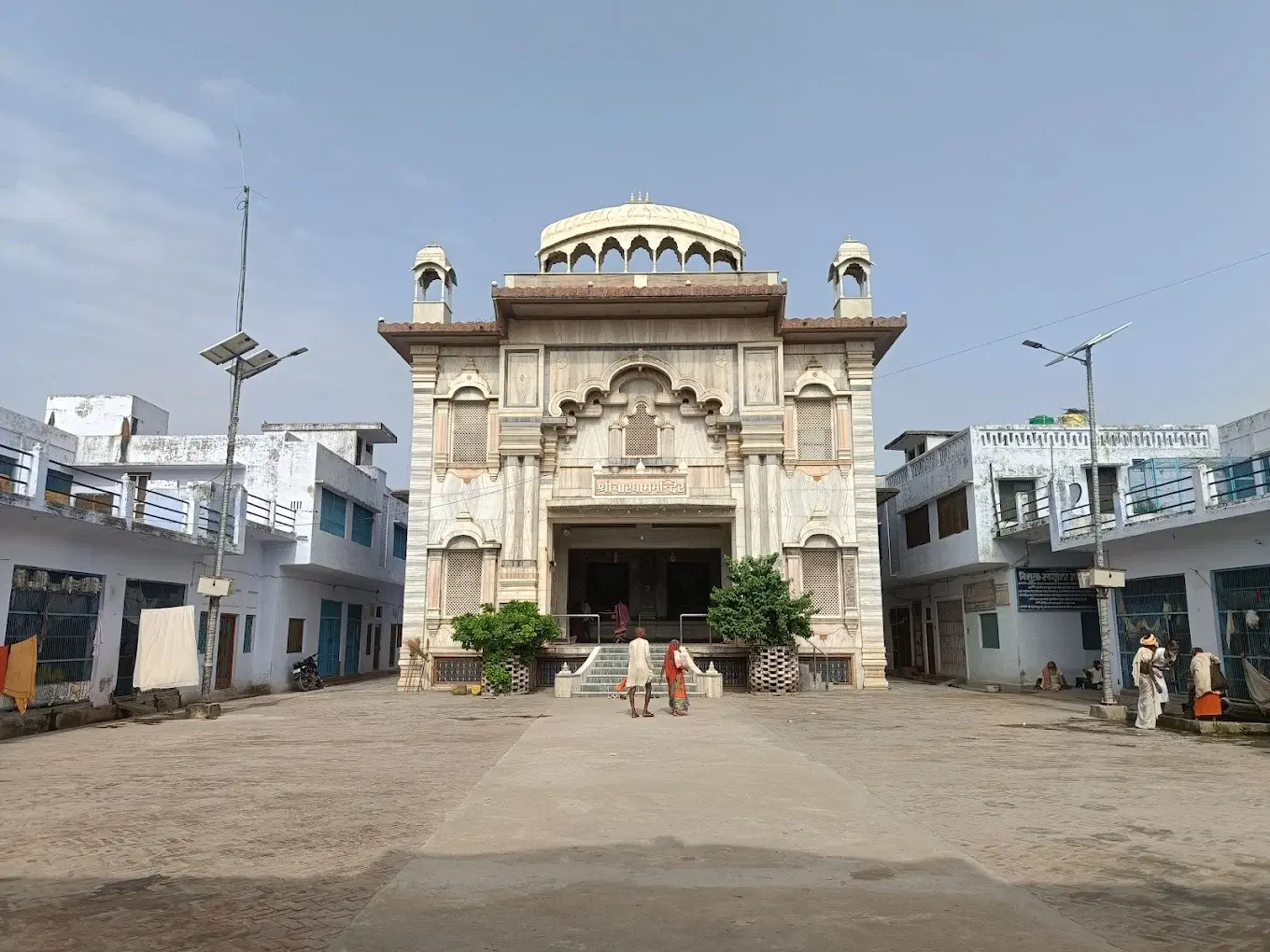
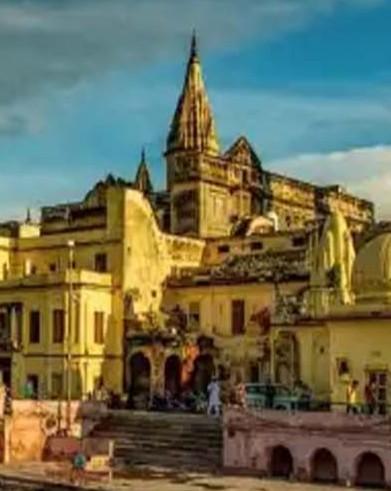
Chhoti Chavani

Chhoti Chavani

Ayodhya, Uttar Pradesh

Shri Mani Ram Das Ki Chavani spreads over 25 acres. Maharajji has served as the 6th Pithadhishwar here

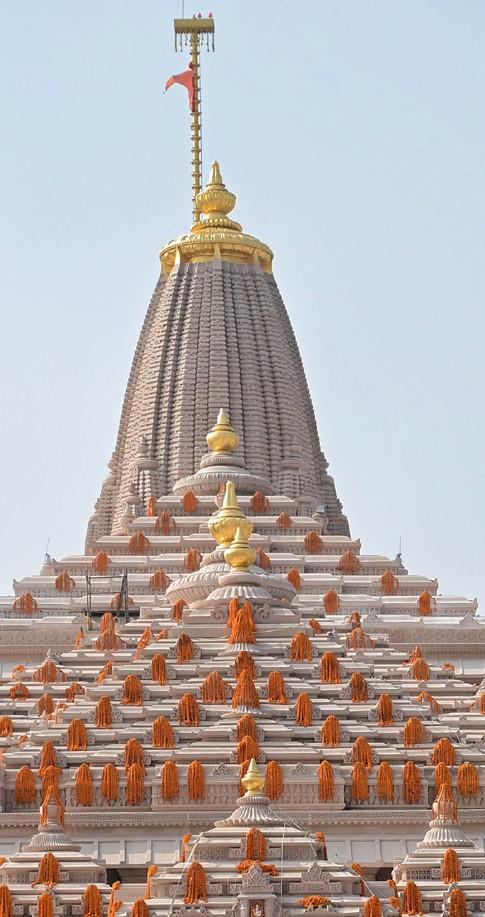
Ram Janmabhoomi Mandir

Ram Janmabhoomi Mandir

Ayodhya, Uttar Pradesh

The grand Ram Mandir, whose construction Maharajji oversees as President of Shri Ram Janmabhoomi Teerth Kshetra Trust

Ancestry & Tradition

Maharajji's spiritual lineage traces through the Ramanandi tradition and Ram Bhakti.

Ramanandi Sampradaya

Ramanandi Sampradaya

One of India's largest and most egalitarian Vaishnava monastic orders, centered around the worship of Lord Ram. Established by JagadGuru Ramanandacharya in the 14th-15th century, it prioritizes accessible Ram Bhakti in vernacular languages. This ensured that Ram Bhakti was not reserved for the learned few but for all who approached with sincerity. Vaishnava Bhakti Tradition: The tradition emphasizes maryada Bhakti (structured devotion aligned with ethical propriety), Ram mantra recitation, prapatti (surrender), seva (service), and vairagya (detachment). Maharajji represents the torchbearer of this ancient tradition, preserving its ascetic practices while engaging in contemporary religious movements.

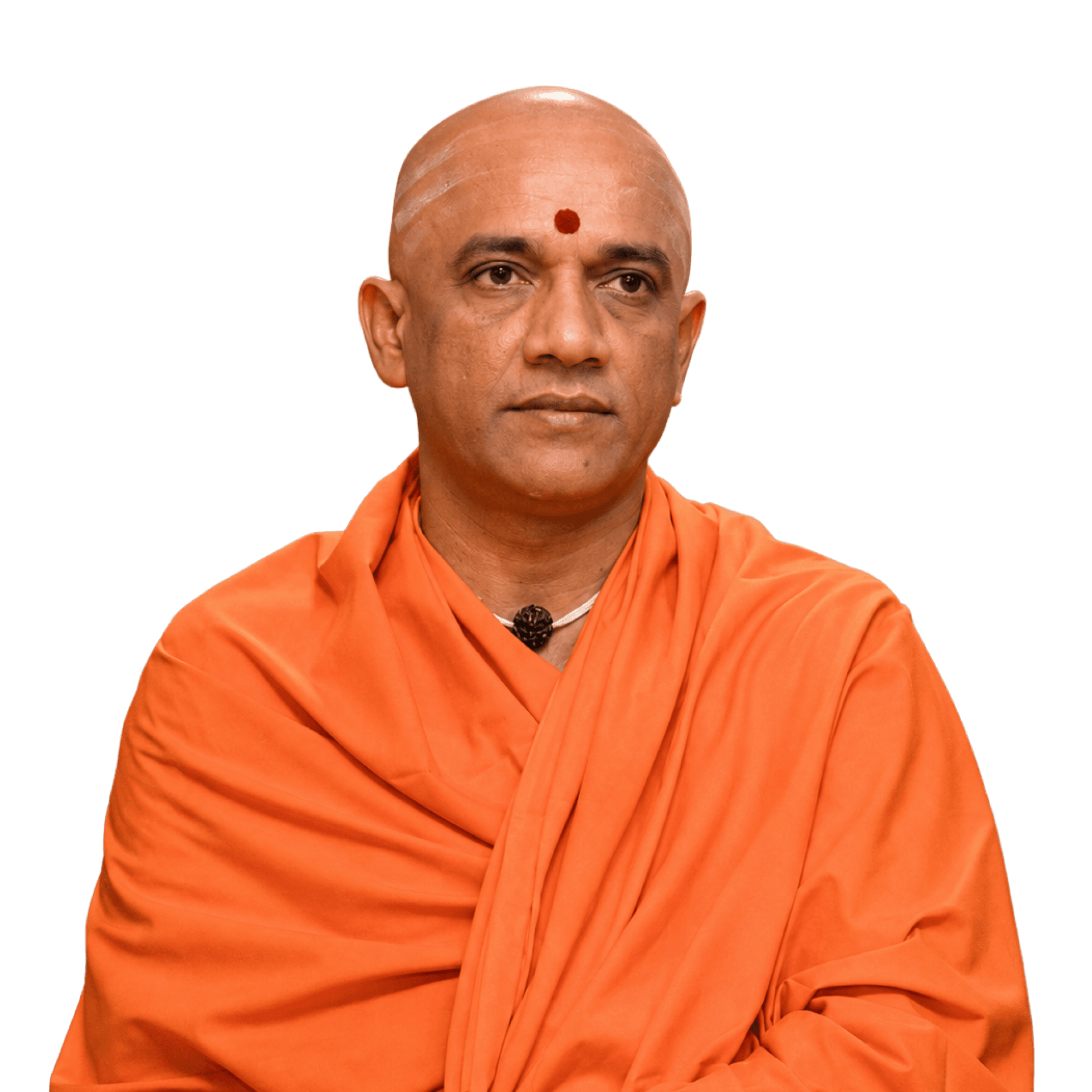
Contemporary and Equivalent

Celebrating living spiritual leaders and contemporaries who continue the tradition.