Holy India
Shree Satua Baba Ashram

Shree Satua Baba Ashram

Varanasi, Uttar Pradesh, India

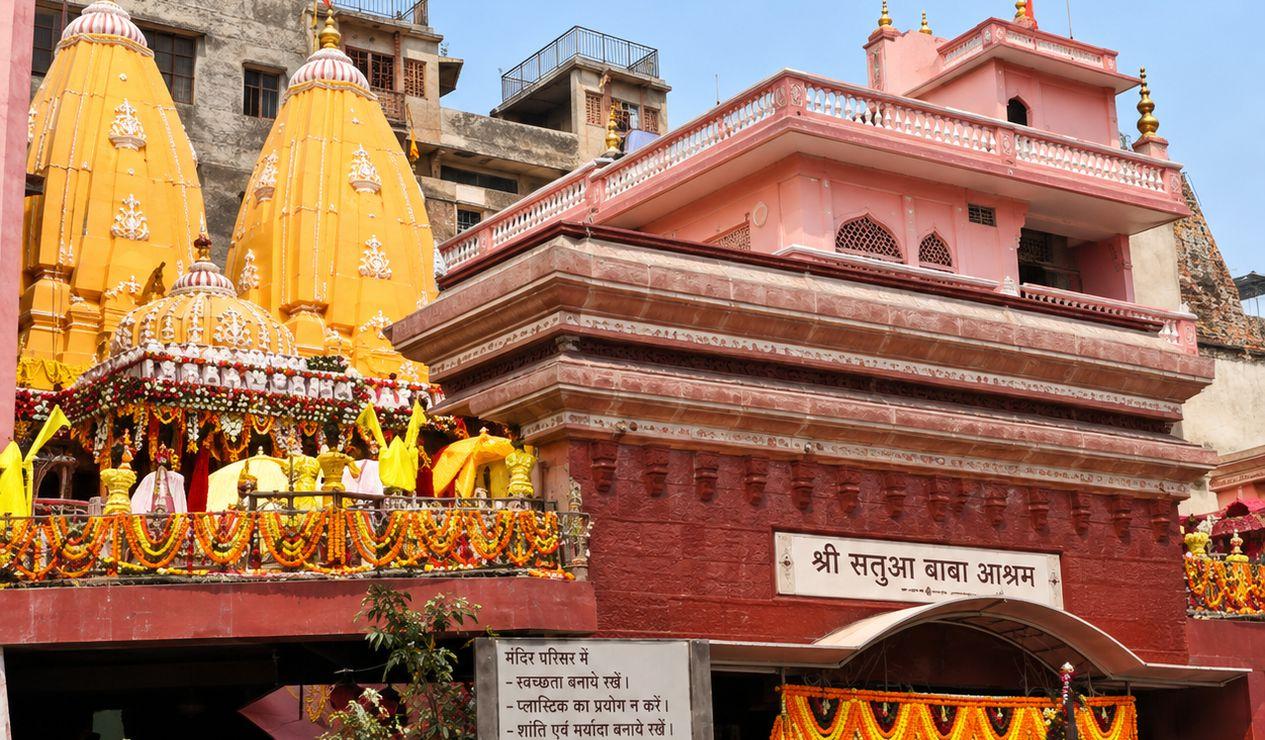
Imagine you are navigating a maze of sun-drenched, butter-colored alleys. Before you can reach Manikarnika Ghat, you make your way into Shree Satua Baba Ashram, a 300-year-old breath of stillness. This sanctuary is built on a foundation of active devotion. Selfless service, or seva, is the main prayer, and the spirit of giving pulsates through every stone.

Sacred Highlights

The Funeral Procession Tradition

The Funeral Procession Tradition

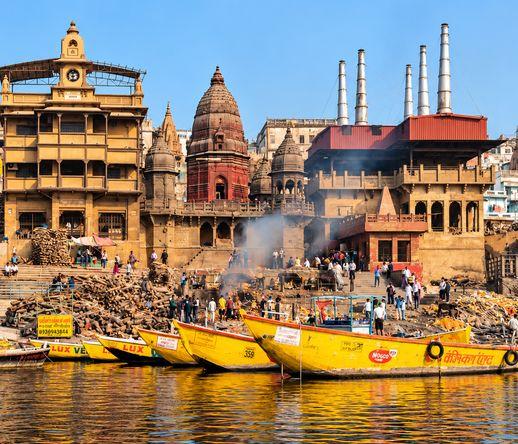
You might see something here that stops you in your tracks: funeral processions pausing at the ashram gate.

Local tradition says every deceased person must "bow" or offer dandvat pranam to Satua Baba before reaching the cremation fires. It's believed this ritual helps the soul find moksha.

There are also stories of Satua Baba bringing a dead man back to life right here. Legend says Lord Shiva himself once appeared to the founder in the form of an old man to...

Journey to the Ashram

Walking Through the Historic Lanes

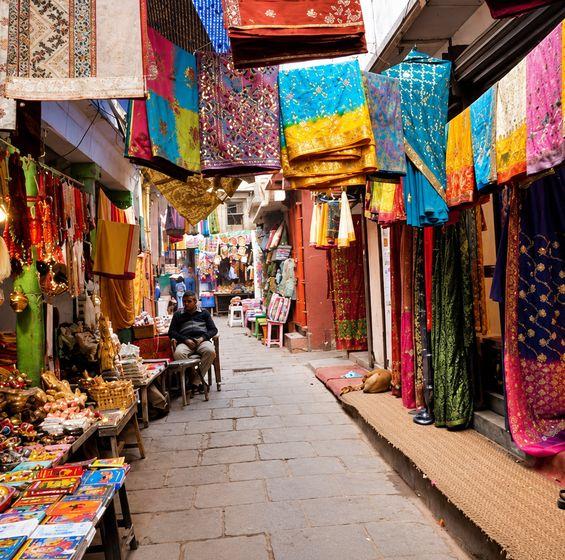
Getting here is an adventure. You start at Dashashwamedh Ghat or the Chowk area and dive into the narrow Bengali Tola lanes.

You will dodge wandering cows, pass shops selling bright marigold garlands, and hear the constant hum of "Ram Naam Satya Hai". The air is thick with the intensity of Kashi — a mix of incense, street food, and the distant crackle of logs.

Bengali Tola Lanes

Stepping into Sacred Space

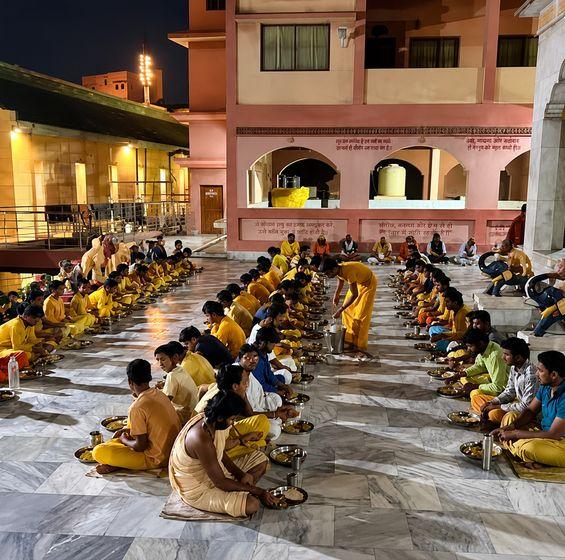
As you cross the threshold, the noise of the city magically drops. You enter a simple inner courtyard that feels like stepping back in time. The ground is cool beneath your feet.

You see boys in saffron dhotis reciting the Vedas in a rhythmic, ancient song. The atmosphere is heavy with peace, even though the world's most famous cremation ground is only ten paces away.

Sacred Courtyard

Faith & Belief of Devotees

Adi Shankaracharya and the Chandala

Adi Shankaracharya and the Chandala

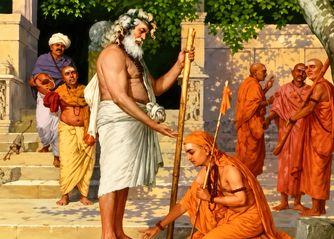
It is said Adi Shankaracharya was tested at this very spot by Lord Shiva, who appeared as a chandala (an untouchable) to teach him that the soul has no caste. This meeting is a pillar of the ashram's identity, emphasizing that every person who enters these doors is treated with the same unconditional love and respect.

Sacred Design of the Ashram

Traditional Kashi Style

Traditional Kashi Style

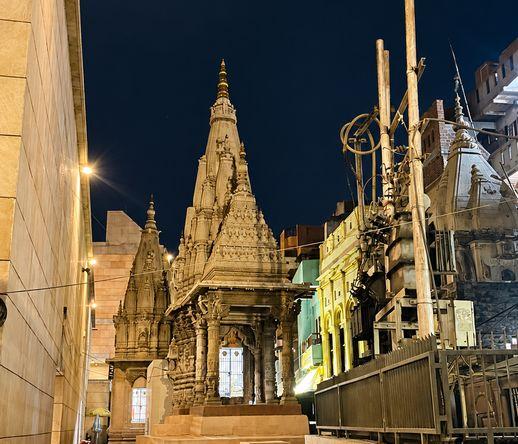
The ashram isn't built to be "grand" or "showy." It uses stone and brick in a way that feels warm an...

Nearby Sacred Places

Kashi Vishwanath Temple

Kashi Vishwanath Temple

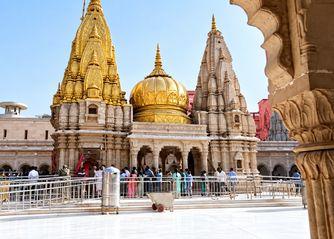
Popularly known as the "Golden Temple", one of the twelve revered Jyotirlingas dedicated to Lord Shiva. Tradition holds that visiting this temple confers the same spiritual merits as visiting all other Jyotirlingas across India.

Dashashwamedh Ghat

Dashashwamedh Ghat

The pulsating, vibrant heart of Varanasi. Every evening, as dusk falls, the ghat transforms into a spectacular amphitheater of devotion for the world-famous Ganga Aarti.

Practical Guidance & Info

The ashram is typically open from early morning until around 9:00 PM, though rituals happen throughout the day.

Remove your shoes at the entrance and try to be quiet near the students' study area. Ask locals near Dashashwamedh for the best way through the lanes.

There is no entry fee to visit the ashram; it operates entirely on the generosity of devotees.

Wear modest clothing that covers your shoulders and knees to respect the traditional monastic environment.

Taking photos inside the shrines or of the students while they are studying may be restricted; always ask for permission first.

Visit during the Kartik month or for Dev Deepawali to see the ghats and ashram at their most beautiful.

The ashram has its own "Atithi Bhawan" offering simple, clean rooms and free meals three times a day for pilgrims.

From the airport (Lal Bahadur Shastri) or railway station, take a taxi to Godowlia, then walk about 10–15 minutes through the lanes.

Contemporary and equivalent

Mahant Santosh Das Ji

The 7th and current head of Shree Satua Baba Ashram, continuing the Vishnu Swami Parampara of the Rudra Sampradaya.

Mahant Santosh Das Ji

Shree Ranchor Dasji (Satua Baba)

18th-century founder of the ashram, famous for feeding the poor a mixture called sattu (roasted gram flour), from which his name was derived.

Shree Ranchor Dasji (Satua Baba)